

Yields Wrestling Earnings Growth
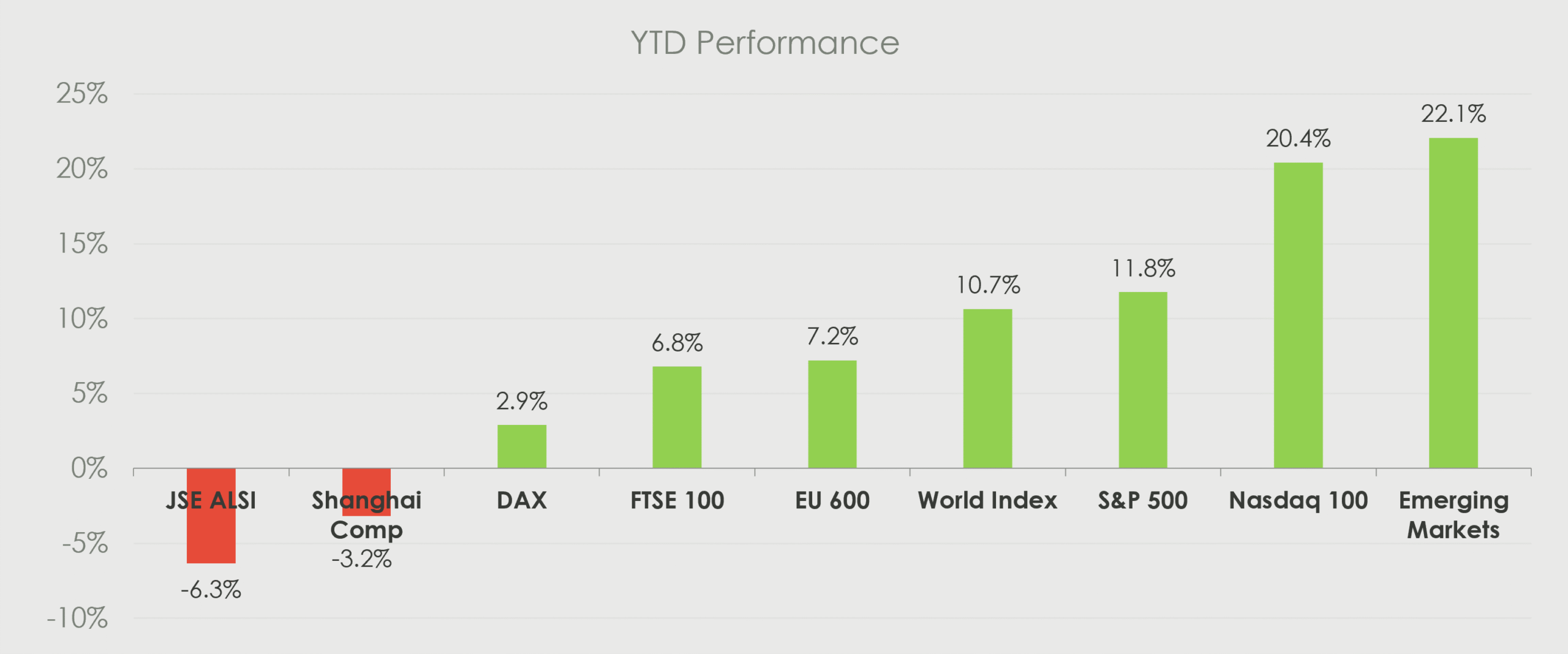
As U.S. and European-based fund managers returned to their desks after their summer holidays, September proved to be a testing month for the rejuvenated. Most global equity indices finished September in the red. The standout performer was the Nasdaq 100, as AI continues to drive positive returns in the technology space.
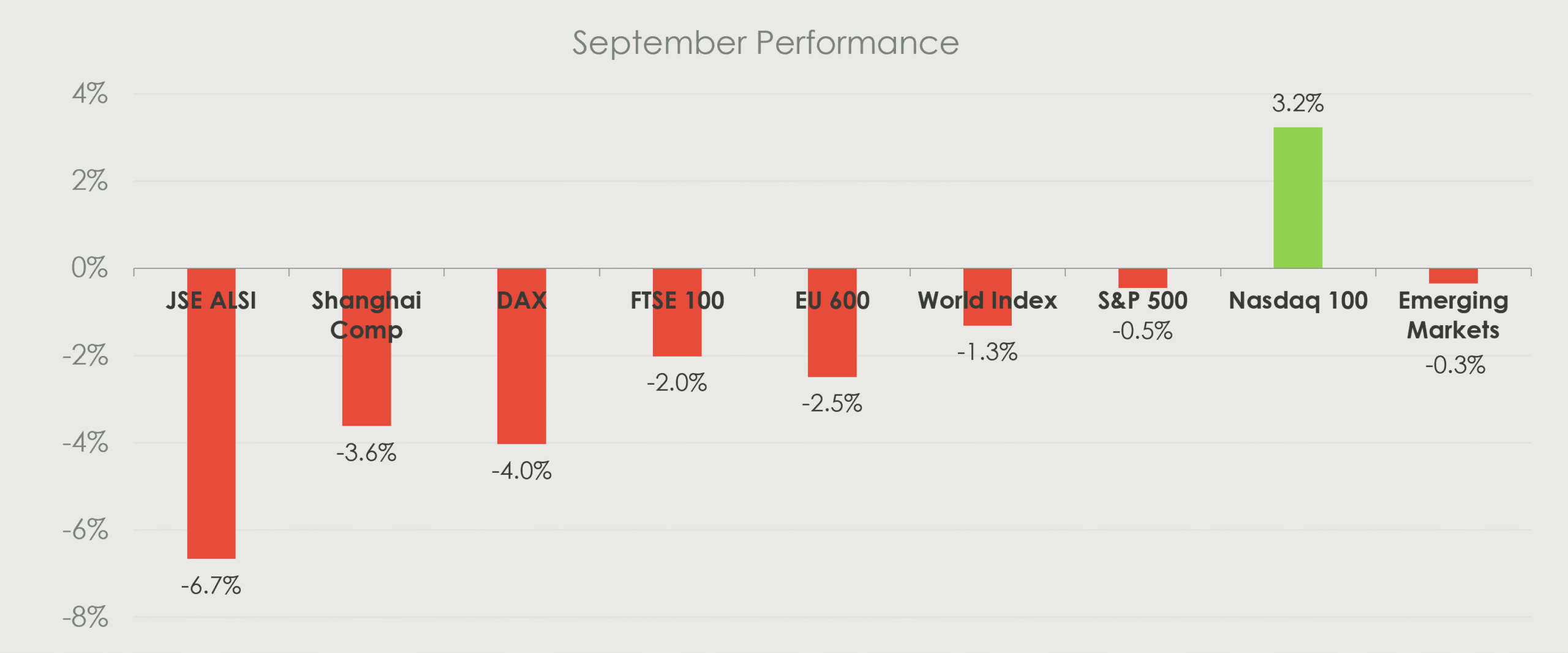
September saw a confluence of factors inflicting pressure on global markets. Government bonds continued to sell off, causing yields to break through levels not seen since the early 2000’s.
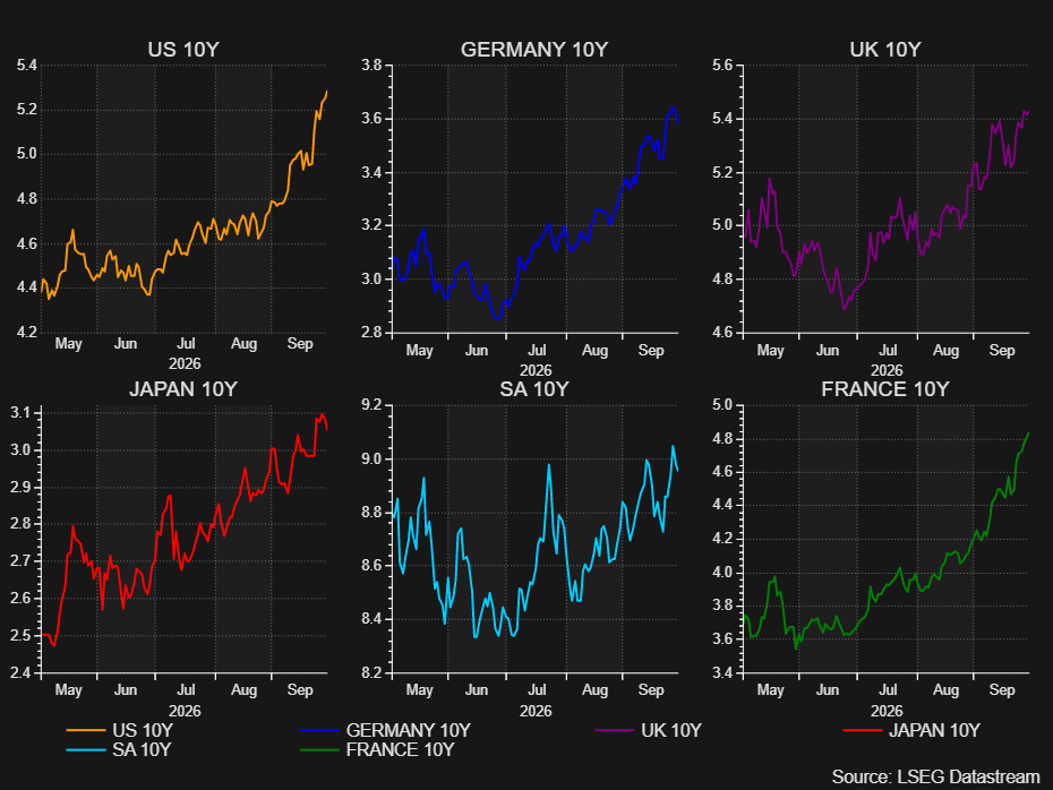
There are a multitude of reasons causing the big jump in global yields:
-
- Resilient economic growth supporting inflation
- Higher commodity prices due to the conflicts in Ukraine and the Middle East, causing inflation pressures
- A surge in Hyperscalers borrowings increasing bond issuance
Rising fiscal deficits and government debt pushing up the risk premium investors require - Yen weakness causing the unwinding of the carry trade, leading to U.S. debt sales
- De-dollarization as foreign assets diversify out of dollar-based assets
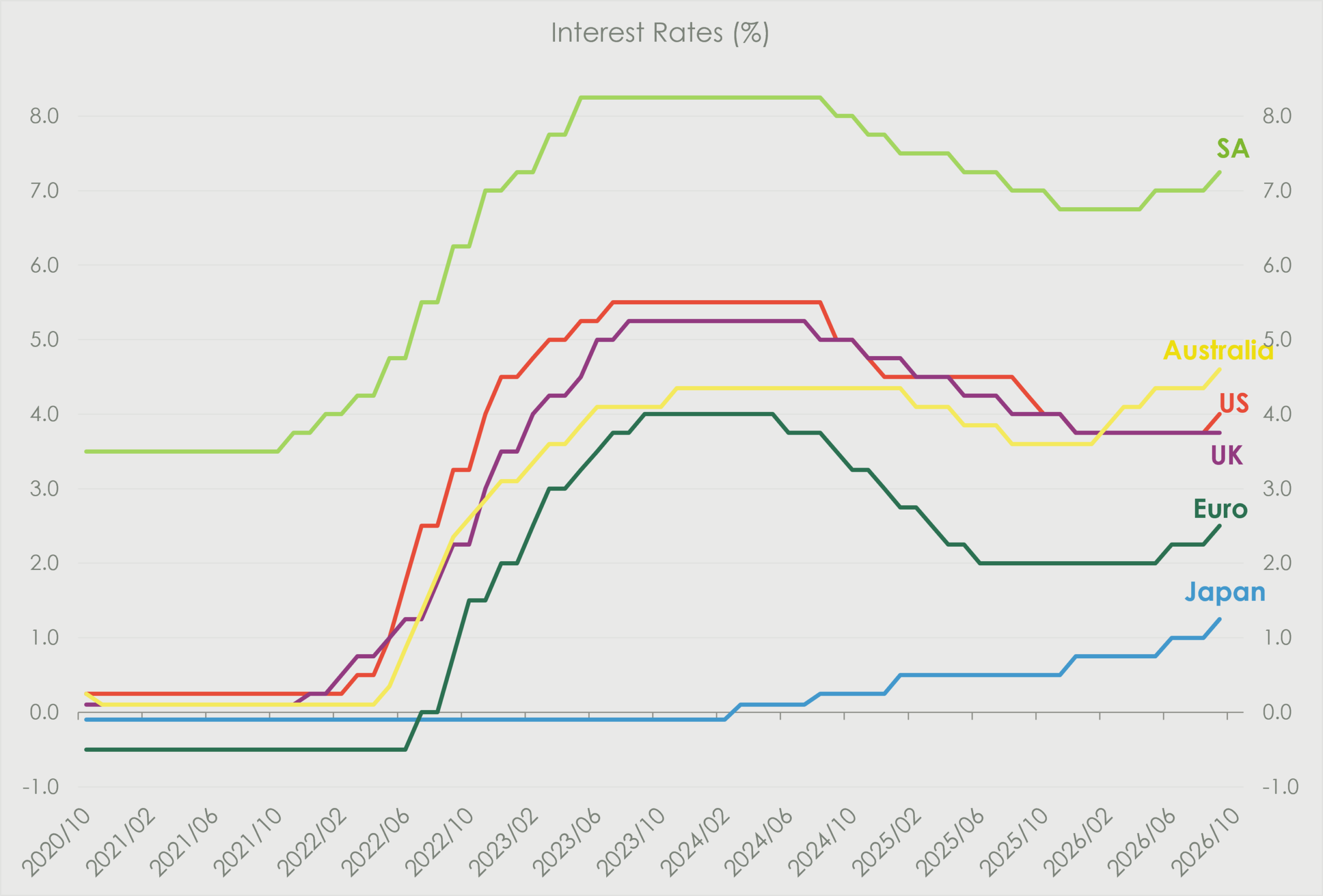
September also saw the U.S. Fed hike rates for the first time since July 2023, as sticky inflation, a robust economy and a stable labour environment forced new Chair Kevin Warsh’s hand in order to get a handle on inflation.
The Fed joins several other central banks increasing rates in an effort to contain inflation, predominately driven by elevated fuel prices due to the prolonged constraints in the Strait of Hormuz and the refinery disruption in Russia.
Typically, Equities don’t perform well in an environment where real yields are rising, predominately due to the following factors:
-
- High rates slow the economy by raising the cost of financing for cyclical business sectors, profits fall and stock prices follow.
- High rates – a higher discount rate – reduce the present value of companies’ future cash flows, making stocks less valuable.
- High rates pull capital flows away from stocks by offering more attractive prospective returns.
- High rates force governments to cut deficits, and the reduced deficit spending is balanced – as it often has been historically – by lower corporate profits.
As it stands, rising real yields have put downward pressure on stock valuations.
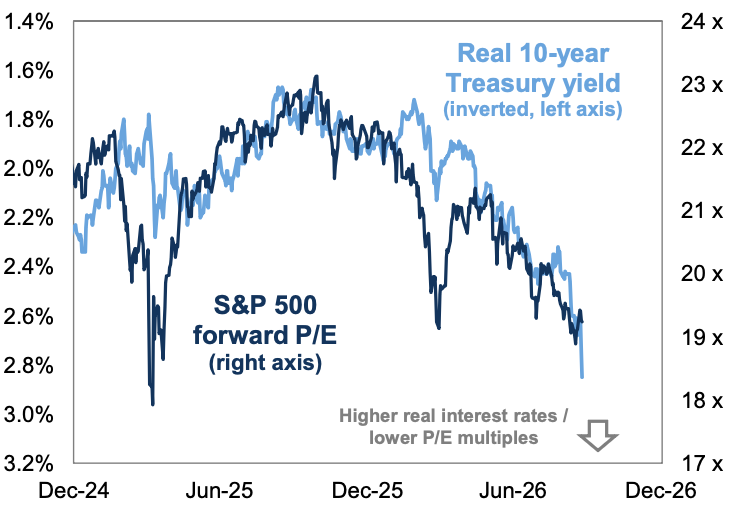
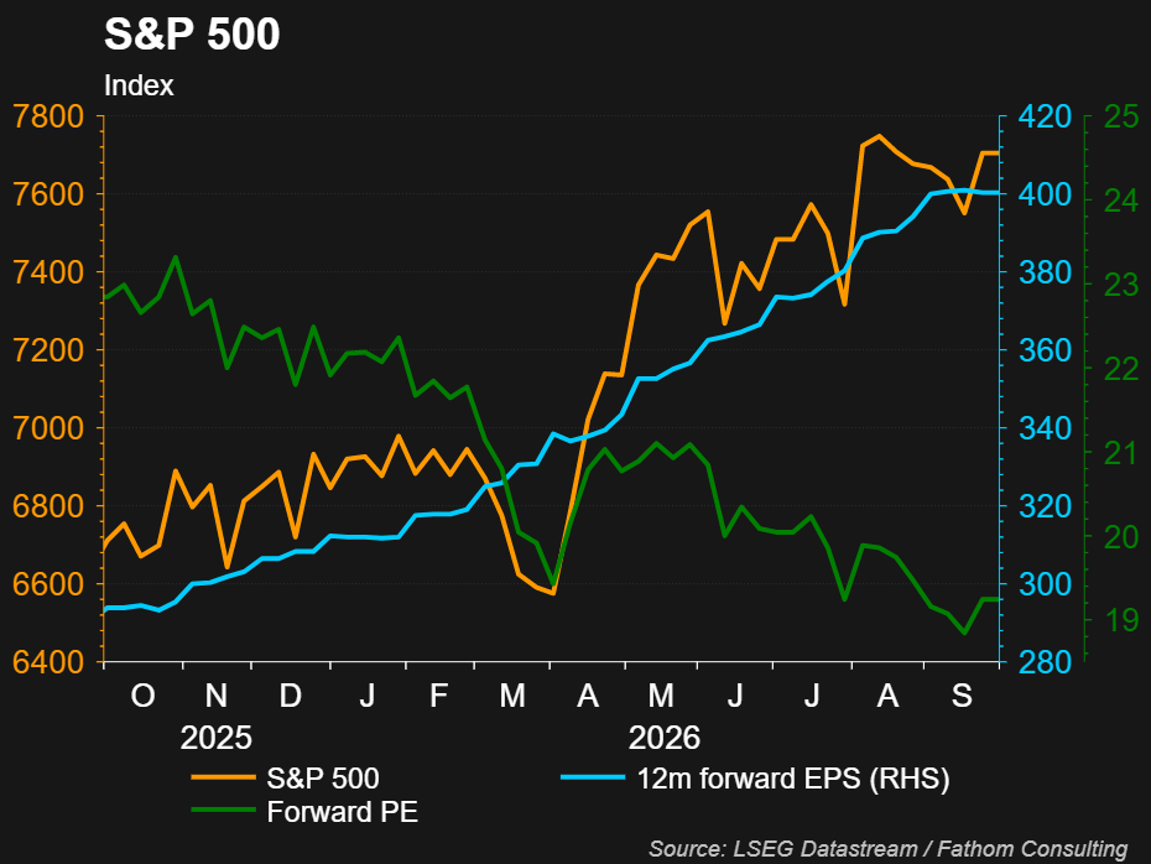
Nevertheless, Equity markets continue to deliver good returns on a Year-to-Date (YTD) basis despite valuation multiples being compressed by high yields.
The reason: Earnings growth. As we have mentioned on previous occasions, the enormous AI investment cycle is driving tremendous earnings growth across a large cross-section of companies. Evidenced by the strong 50% plus earnings growth we saw across S&P 500 companies in the second quarter of 2026.
Looking out over the next 18 months, expectations are for 32.4% and 15.8% earnings growth for 2026 and 2027, respectively: very handsome growth from a historical perspective.
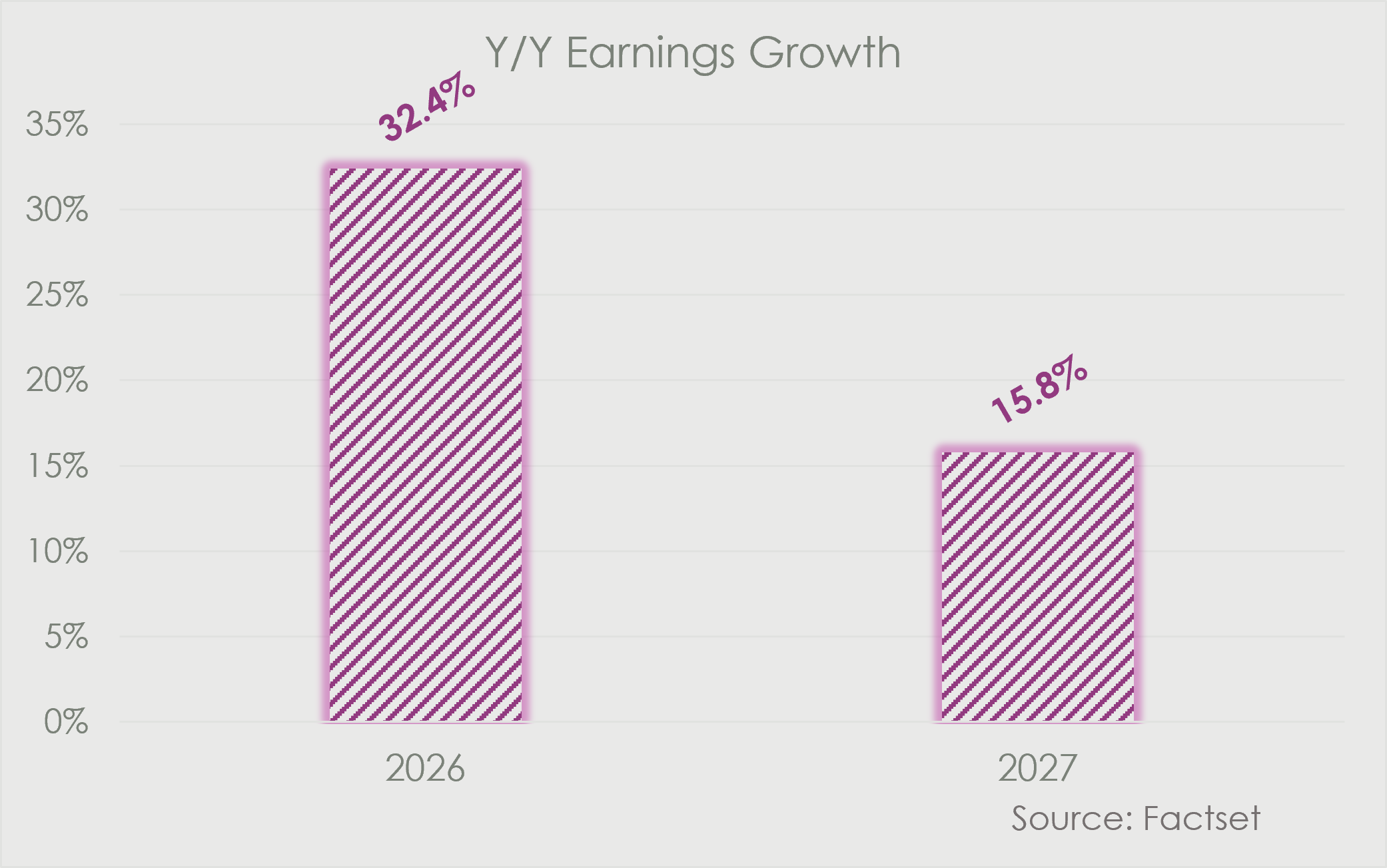
As long as this growth can continue, Equity market performance can continue to outperform in a rising rate environment. Given the importance of AI on overall growth, we spend a lot of our time understanding its impact on the global economy and evaluating its momentum.
Locally, the South African markets are facing similar issues. Higher Inflation and higher rates are placing some pressure on the SA consumer which is showing up in consumer discretionary stocks. While the SA consumer has slowed down spending, our “State of the Consumer” dashboard continues to indicate SA consumer resilience.
On the back of the weakness in consumer-related stocks we review our holding in Clicks and why we continue to favour this “high-quality” name over the long run.
The Local Government Elections in November may prove to be the next stage in the shifting political environment we have experienced over the last 2 years since the advent of the GNU, with real market impacting potential. We take a look at the latest political polls and how the various parties are shaping up.
One of the biggest upstream beneficiaries of the AI infrastructure build is Glencore, given its dominate exposure to copper. We recently added a position across our portfolios. Anda takes you through an NVest Insights into why we think Glencore offers attractive return potential.
As we look forward to the final quarter of the year, we continue to expect more volatility given further interest rate hikes expected, mid-term elections, continued conflict in the Middle East, and the increasing focus on government balance sheets and corporate debt issuance.
Despite all these headwinds, we remain of the view that Global Equities can continue to outperform most other asset classes, driven primarily by continued strong operating earnings growth.

By the Numbers
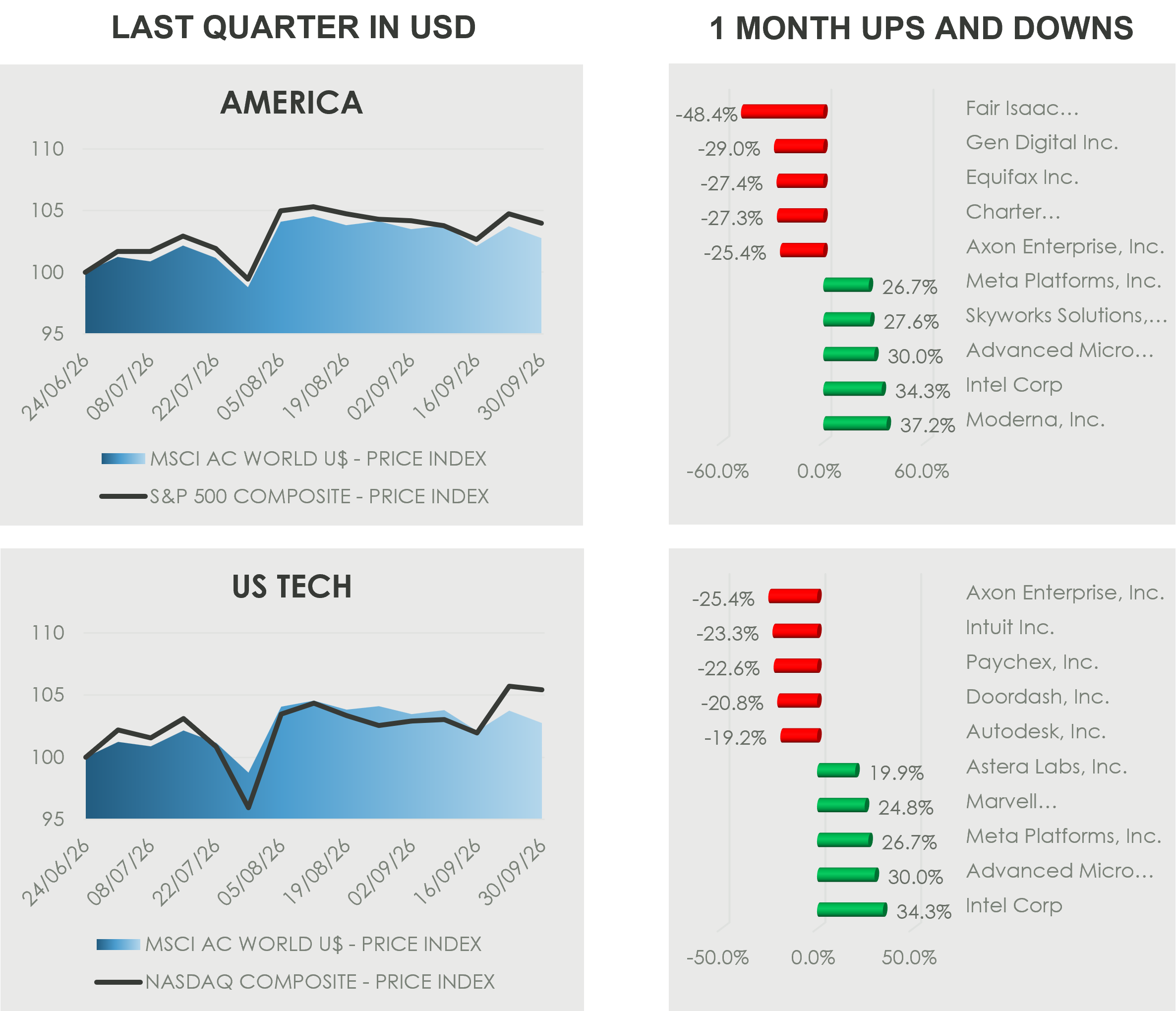
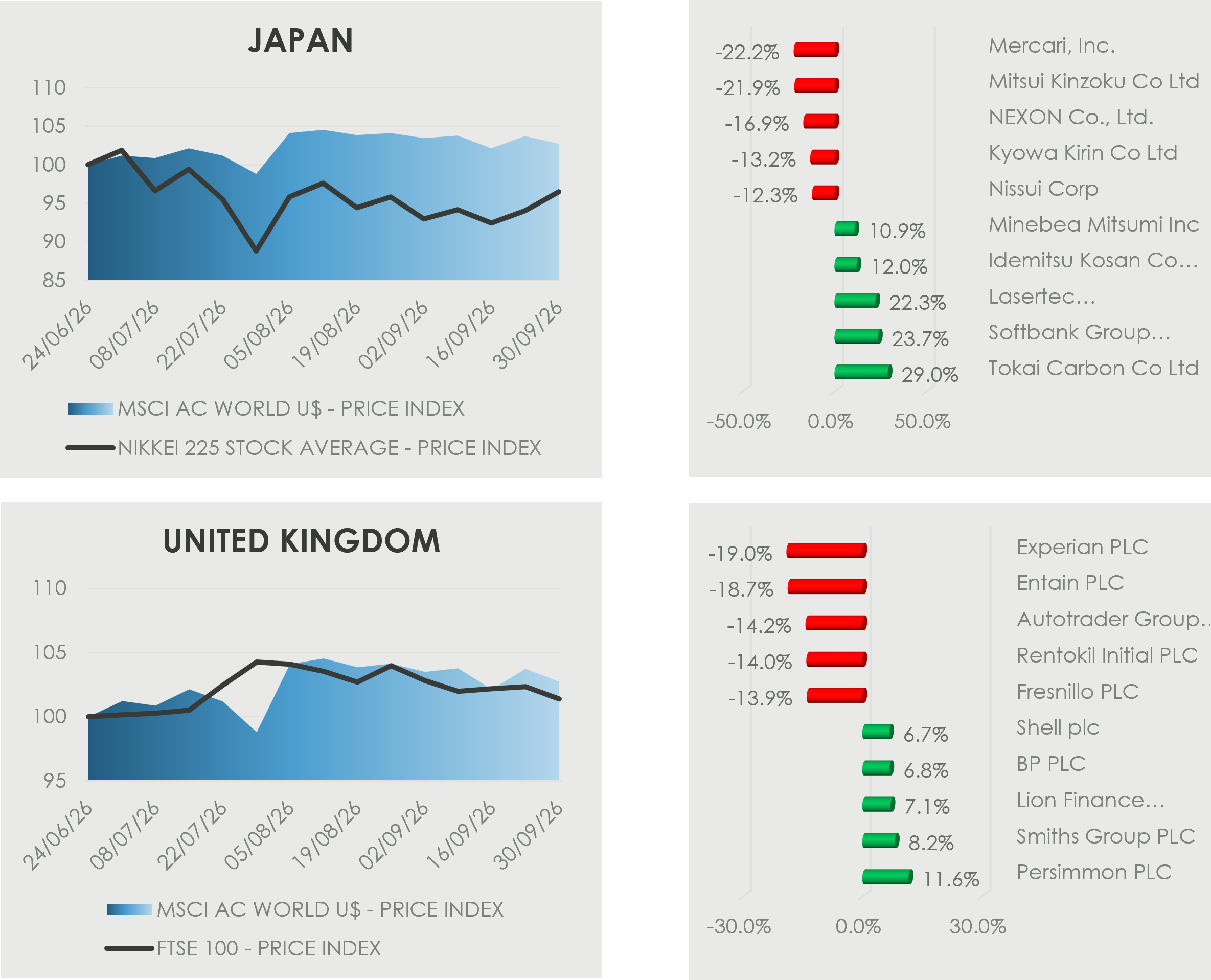
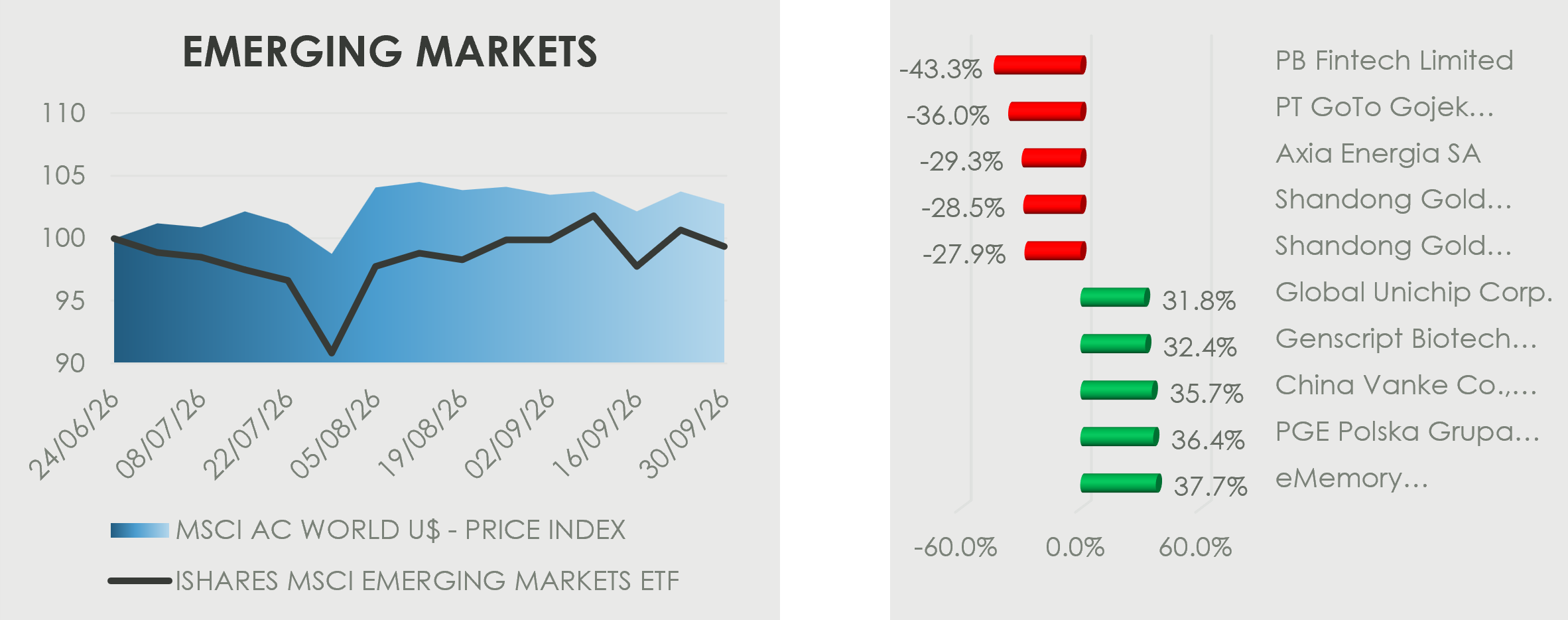
Global equities weakened in September as investors grappled with higher interest rate expectations, rising bond yields, and ongoing geopolitical tensions in the Middle East keeping oil prices elevated. The S&P 500 fell 0.5%, while the Nasdaq 100 gained 3.2% driven by ongoing strength in AI-related and tech stocks such as Intel (+34.3%), and Advanced Micro Devices (+30.0%). Meta Platforms (+26.7%) rallied after launching Muse, a personal AI agent. Moderna (+37.2%) rallied on optimism surrounding its cancer vaccine pipeline. On the downside, Fair Isaac (-48.4%) recorded the steepest decline due to major regulatory changes that threaten its monopoly over U.S. mortgage credit scoring market.
UK equities underperformed, with the FTSE 100 down 2%. Persimmon (+11.6%) surged in late September 2026 primarily due to the UK government’s announcement of a new “Your First Home” housing support scheme. Smiths Group (+8.2%) reported better-than-expected full-year results, and Lion Finance (+7.1%) issued updates on its share buyback program. BP (+6.8%) and Shell (+6.7%) rallied on higher oil prices.
Entain (-18.7%) came under pressure amid mounting tax and regulatory concerns in the UK gambling market. Rentokil Initial (-14.0%) remained under pressure as investors assessed its ongoing operational restructuring.
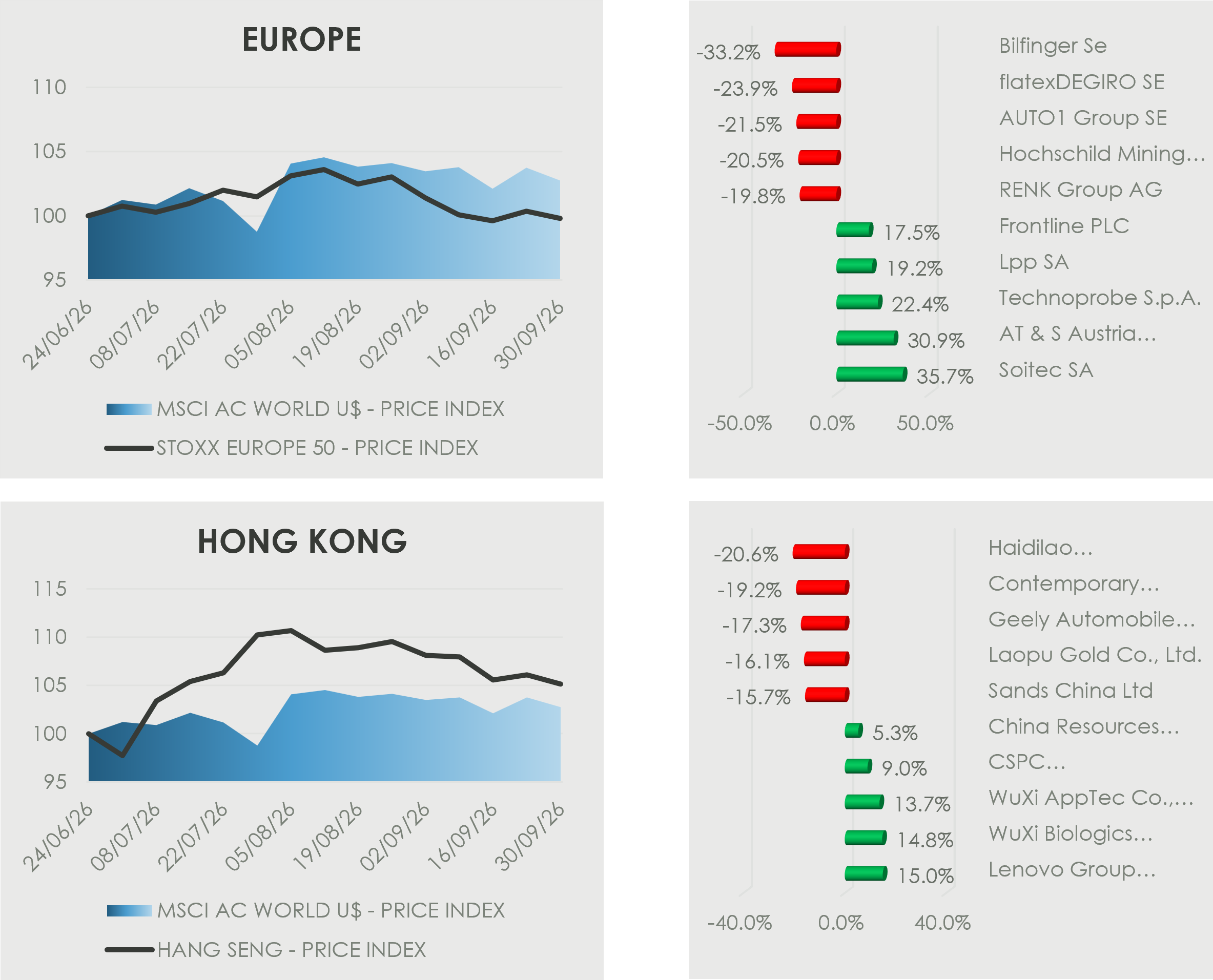
European semiconductor shares were led by Soitec (+35.7%), which rallied after materially upgrading its outlook. AT&S Austria (+30.9%) and Technoprobe (+22.4%) participated in the broader strength across European semiconductor suppliers, alongside growing investor interest in companies exposed to AI infrastructure and data-centre investment.
Technology and healthcare shares led the Hong Kong gainers. Lenovo (+15.0%) benefitted from strength in technology-related shares, and WuXi Biologics (+14.8%) and WuXi AppTec (+13.7%) advanced as investors continued to respond positively to its first-half performance.

By the Numbers
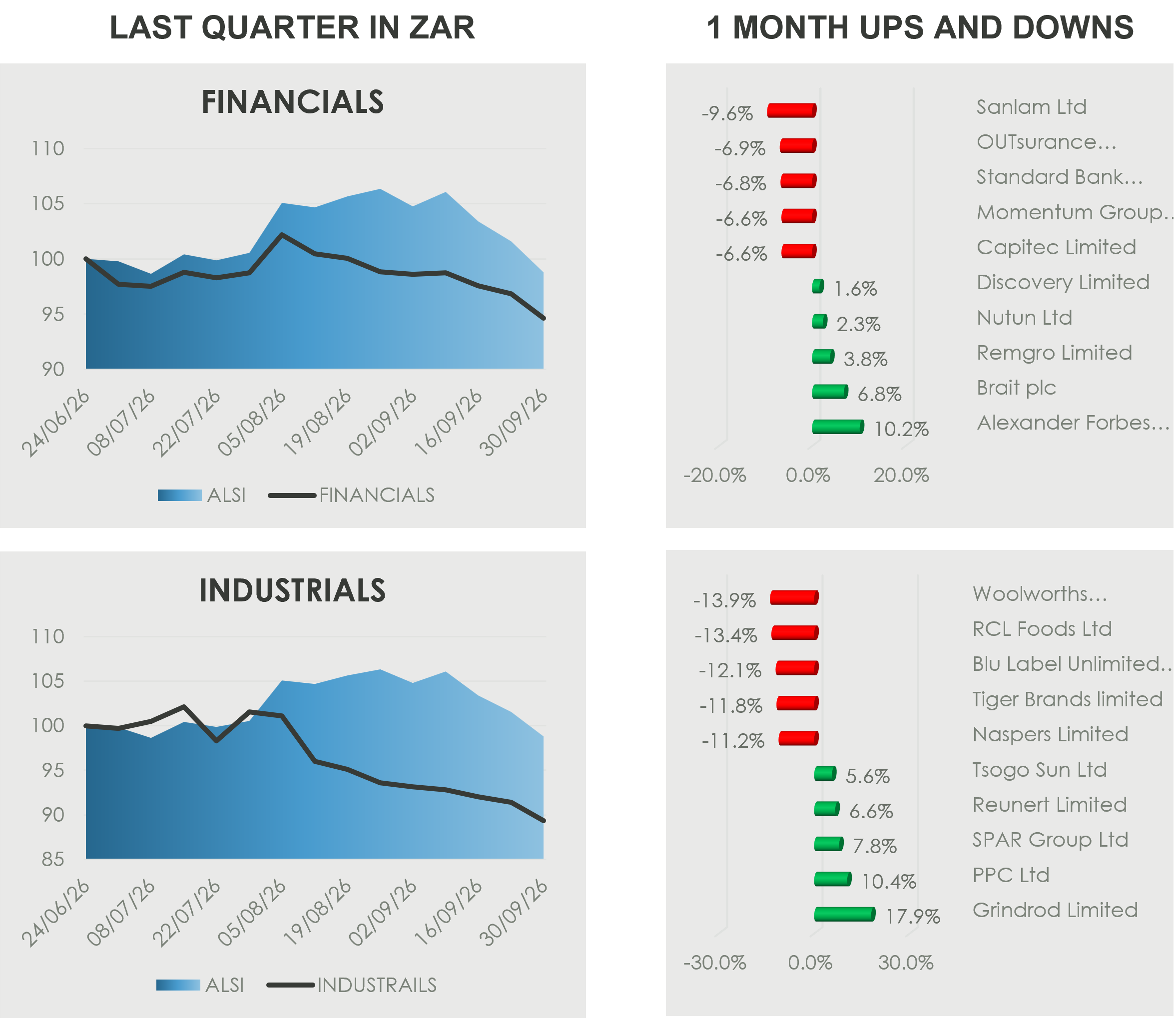
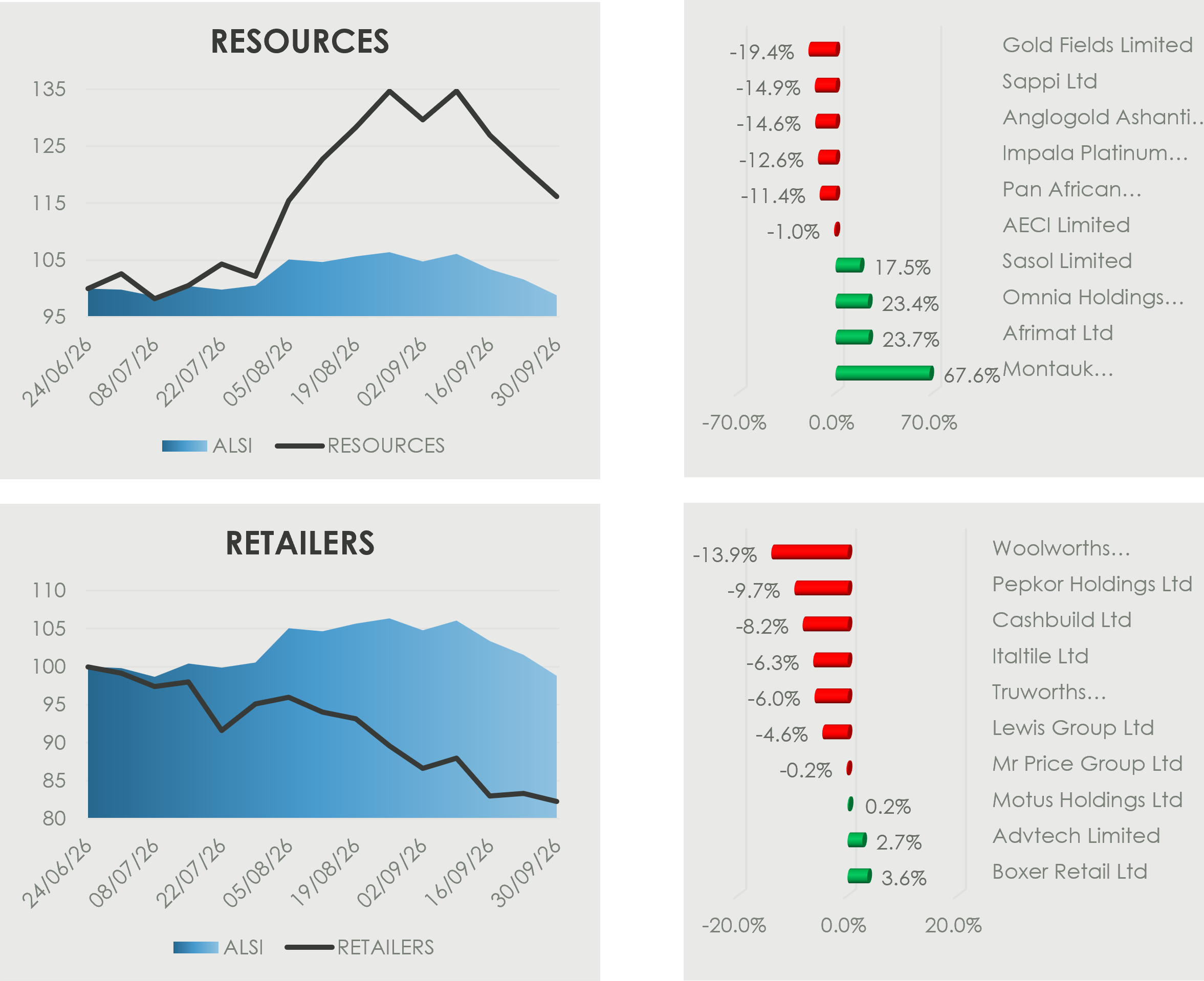
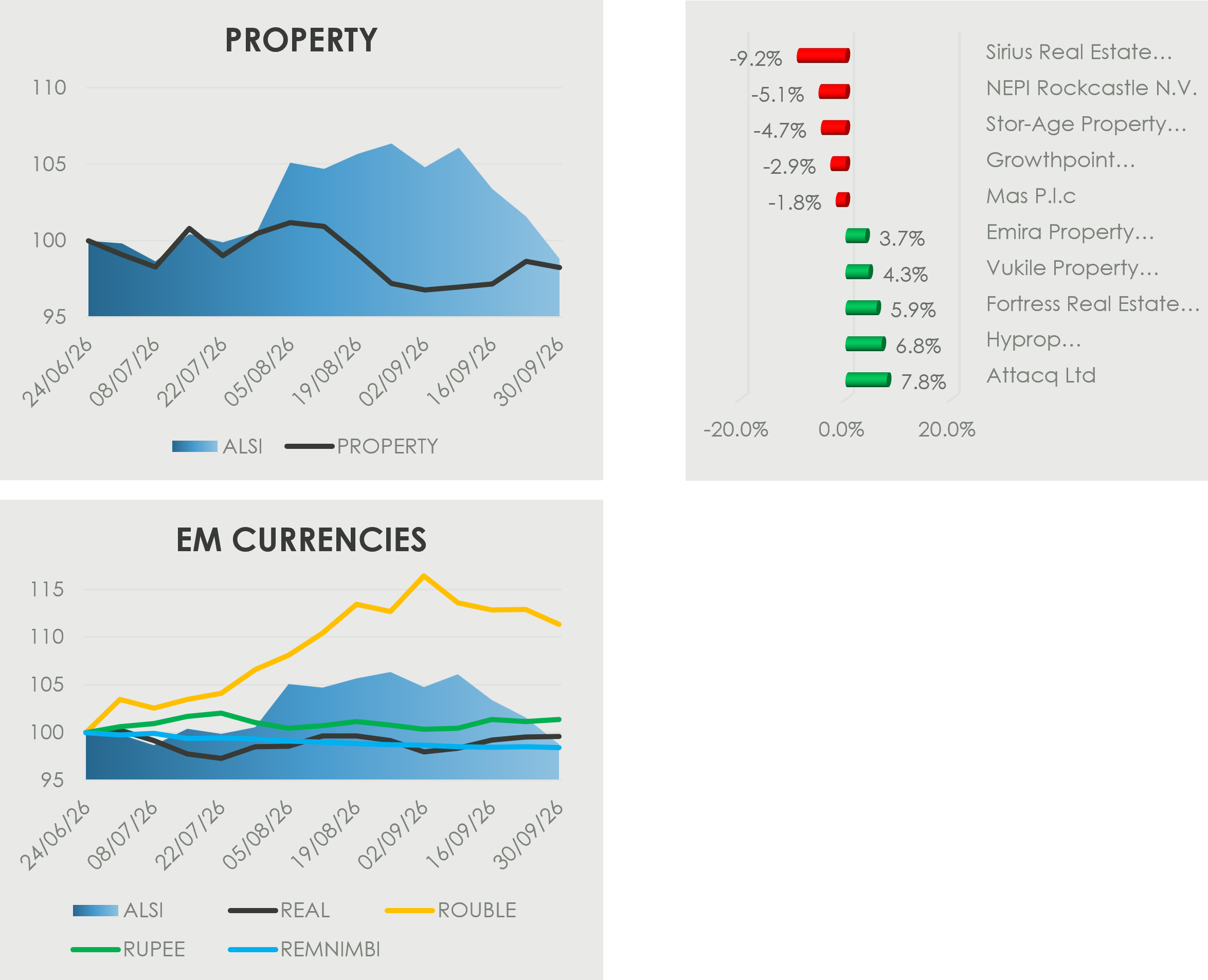
South African equities came under pressure in September, with the ALSI falling 6.7% as rising global bond yields, geopolitical tensions and a sharp correction in precious metals weighed on markets. Resources (-10.9%) led the decline, followed by Retailers (-7.1%), Industrials (-5.9%) and Financials (-4.4%), while Property (+0.3%) bucked the trend.
Property edged higher, led by Attacq (+7.8%) after strong FY26 results, with distributable income per share up 15.5%. Hyprop (+6.8%), Fortress (+5.9%), Vukile (+4.3%) and Emira (+3.7%) also advanced. In contrast, Sirius (-9.2%), NEPI Rockcastle (-5.1%), Stor-Age (-4.7%), Growthpoint (-2.9%) and MAS (-1.8%) ended lower.
Financials weakened amid the broader risk-off environment and higher interest rates. Alexander Forbes (+10.2%) bucked the trend after announcing a share repurchase agreement with its largest institutional shareholder, with Brait (+6.8%) and Remgro (+3.8%) also advancing. Sanlam (-9.6%), OUTsurance (-6.9%), Standard Bank (-6.8%), Momentum Metropolitan (-6.6%) and Capitec (-6.6%) were among the notable laggards.
Industrials were mixed. Grindrod (+17.9%) rallied after strong 1H26 results, with record port volumes driving revenue 19% higher and supporting an increased dividend. PPC (+10.4%) gained after reporting a 40% increase in EBITDA despite broadly flat revenue, while SPAR (+7.8%) recovered as its operational turnaround progressed. On the downside, RCL Foods (-13.4%) and Tiger Brands (-11.8%) came under pressure from elevated input costs and constrained consumer spending, while Blue Label (-12.1%) and Naspers (-11.2%) also declined.
Retailers remained under pressure amid subdued consumer spending and high interest rates. Boxer (+3.6%) and ADvTECH (+2.7%) were among the few gainers. Woolworths (-13.9%) led the declines amid slowing topline growth, fashion margin pressure and its removal from the JSE Top 40 Index. Pepkor (-9.7%), Cashbuild (-8.2%), Italtile (-6.3%), Truworths (-6.0%) and Lewis (-4.6%) also ended lower.
Resources bore the brunt of the sell-off, although selected energy, chemicals and materials counters rallied. Montauk Renewables (+67.6%) surged following the opening of its US$200mn renewable natural gas facility in North Carolina, while Afrimat (+23.7%) gained after its pre-close update pointed to an expected second-half recovery. Omnia (+23.4%) jumped following a R21.8bn all-cash takeover offer at a 31% premium, and Sasol (+17.5%) benefitted from elevated oil prices.
Precious metals counters sold off sharply as gold fell 6.3%, while platinum and palladium declined 4.5% and 11.5%, respectively. Gold Fields (-19.4%) was the hardest hit, with the weaker gold price compounded by concerns around the capital requirements and potential dilution from its proposed Northern Star Resources acquisition. AngloGold (-14.6%) and Pan African (-11.4%) also tracked weaker bullion prices, while Impala (-12.6%) fell alongside the PGM correction. Sappi (-14.9%) remained under pressure from higher debt obligations, elevated logistics and chemical costs, and structural weakness in parts of its paper business.
At the start of the year, the outlook for the South African consumer was increasingly constructive. Inflation was easing, interest-rate relief appeared likely and real incomes were recovering.
That backdrop has changed. Higher fuel prices have interrupted the disinflationary trend and contributed to renewed monetary policy tightening, while the risk of higher food inflation has increased.
The consumer is therefore entering a more challenging period. The question is whether households have sufficient income and balance-sheet buffers to absorb the pressure without materially pulling back on spending.
Income momentum slows
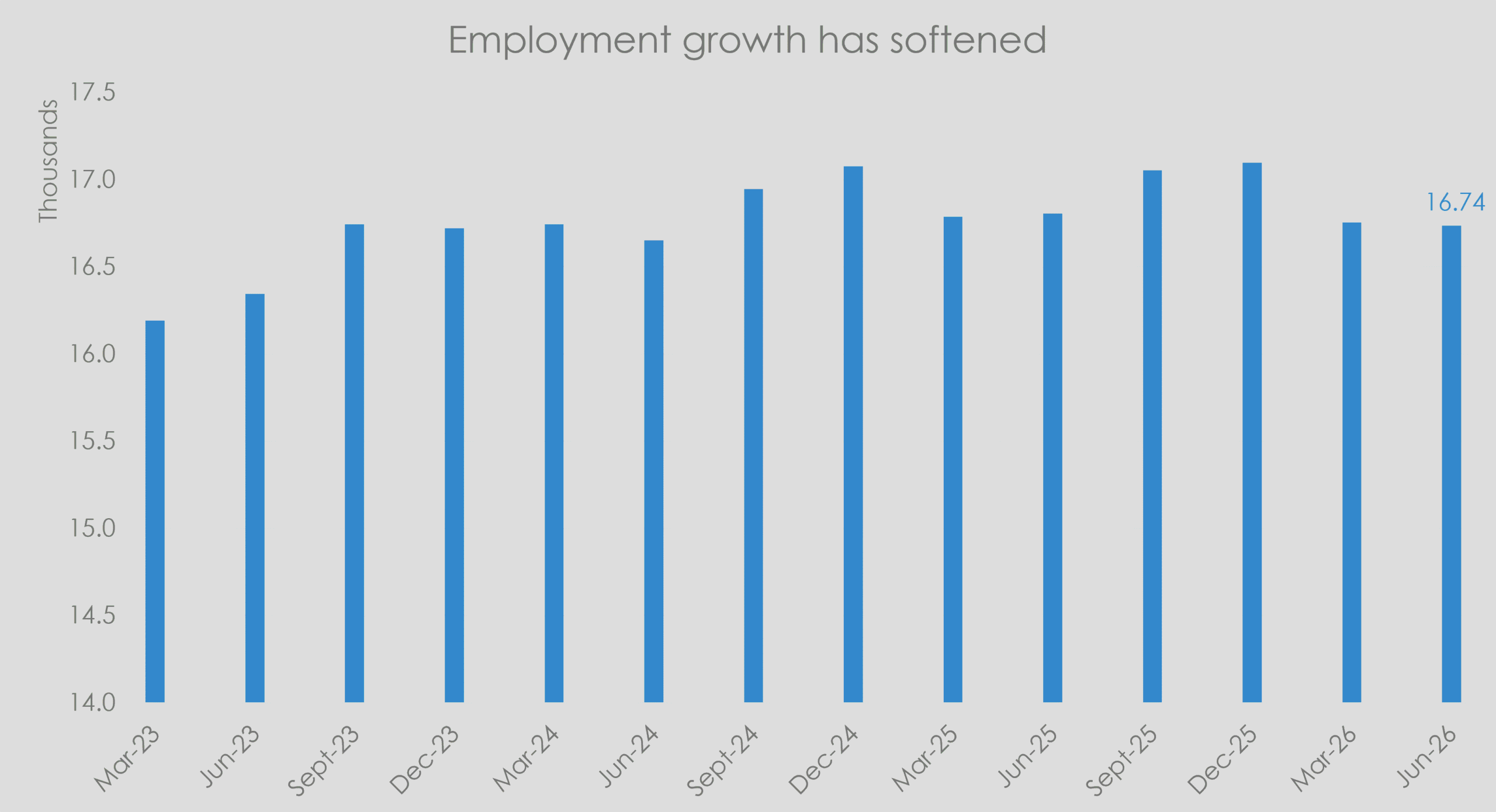
Employment growth has moderated, with employment levels softening in the second quarter, leaving the labour market less supportive of household spending than it was earlier in the recovery. This means income growth is becoming increasingly reliant on wage growth rather than broad-based employment gains.
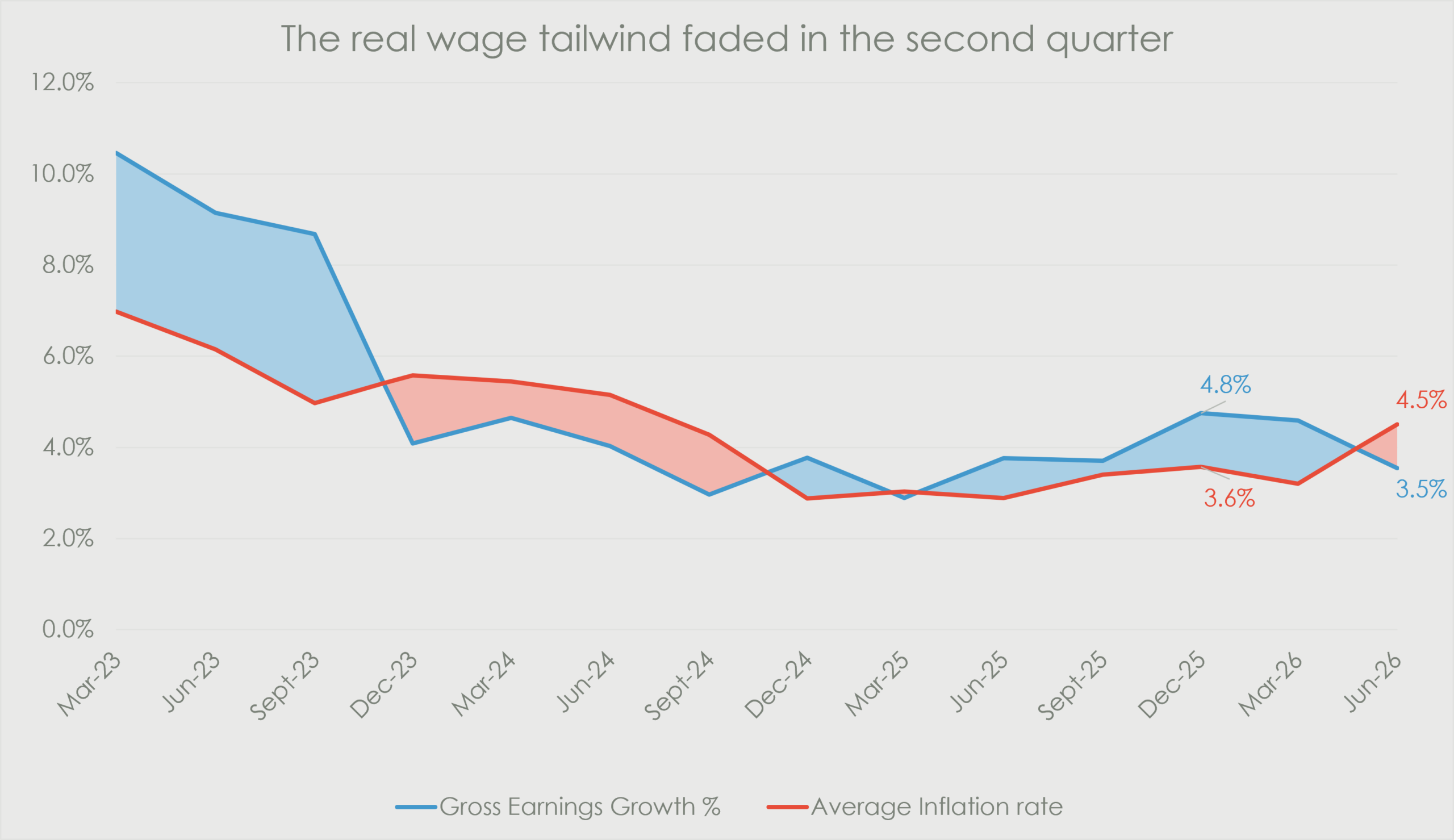
At the same time, the real-income tailwind that supported consumers through much of the past year has faded. Higher fuel prices have lifted inflation while earnings growth has also slowed, narrowing the real-wage benefit to households.
Importantly, this reversal of fortunes remains cyclical in nature. Looking past the effects of the war, it is our sense that inflation is likely to return to a downward trajectory, which should begin to restore a positive trajectory in consumer confidence and spending.
Consumers are becoming more selective
So far, tighter conditions have not resulted in a broad pullback in spending. Instead, consumers are becoming more deliberate in how they allocate income, prioritising essential purchases while scrutinising discretionary expenditure more closely.
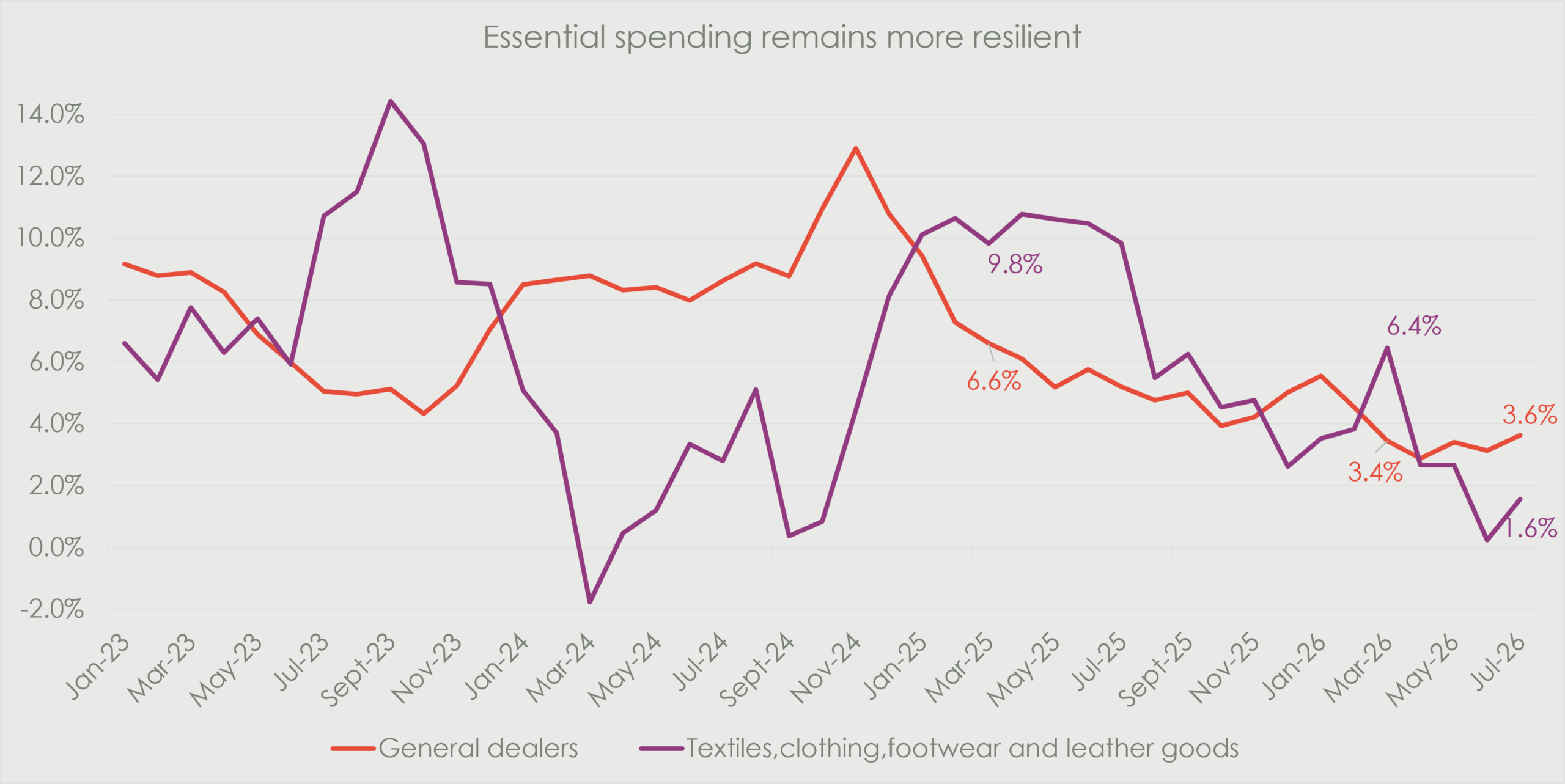
The spending mix therefore points to a consumer adjusting to pressure by prioritising necessity, value and affordability.
Balance sheets provide a buffer
An important part of the resilience in spending lies in household balance sheets. Despite the softer income backdrop, households have rebuilt cash buffers while leverage remains manageable.
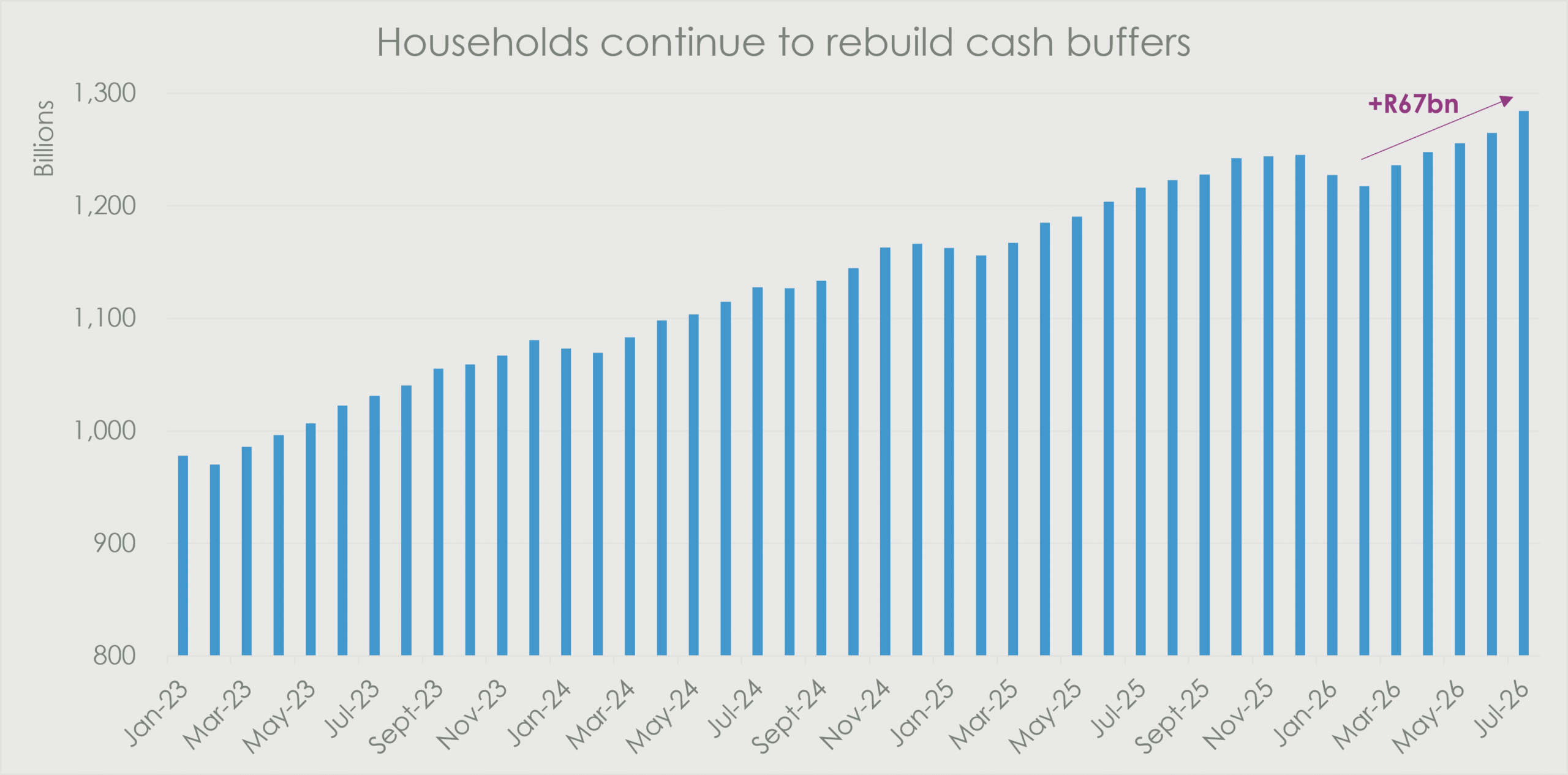
Household bank deposits have increased by R67 billion since February, including more than R19 billion between June and July. This suggests households retained some of the gains from the earlier improvement in real incomes, rebuilding cash buffers rather than fully deploying them into consumption.
Household leverage reinforces this picture. Debt as a percentage of disposable income is at its lowest level since the pandemic, leaving the aggregate consumer better positioned to absorb pressure than in previous tightening cycles.
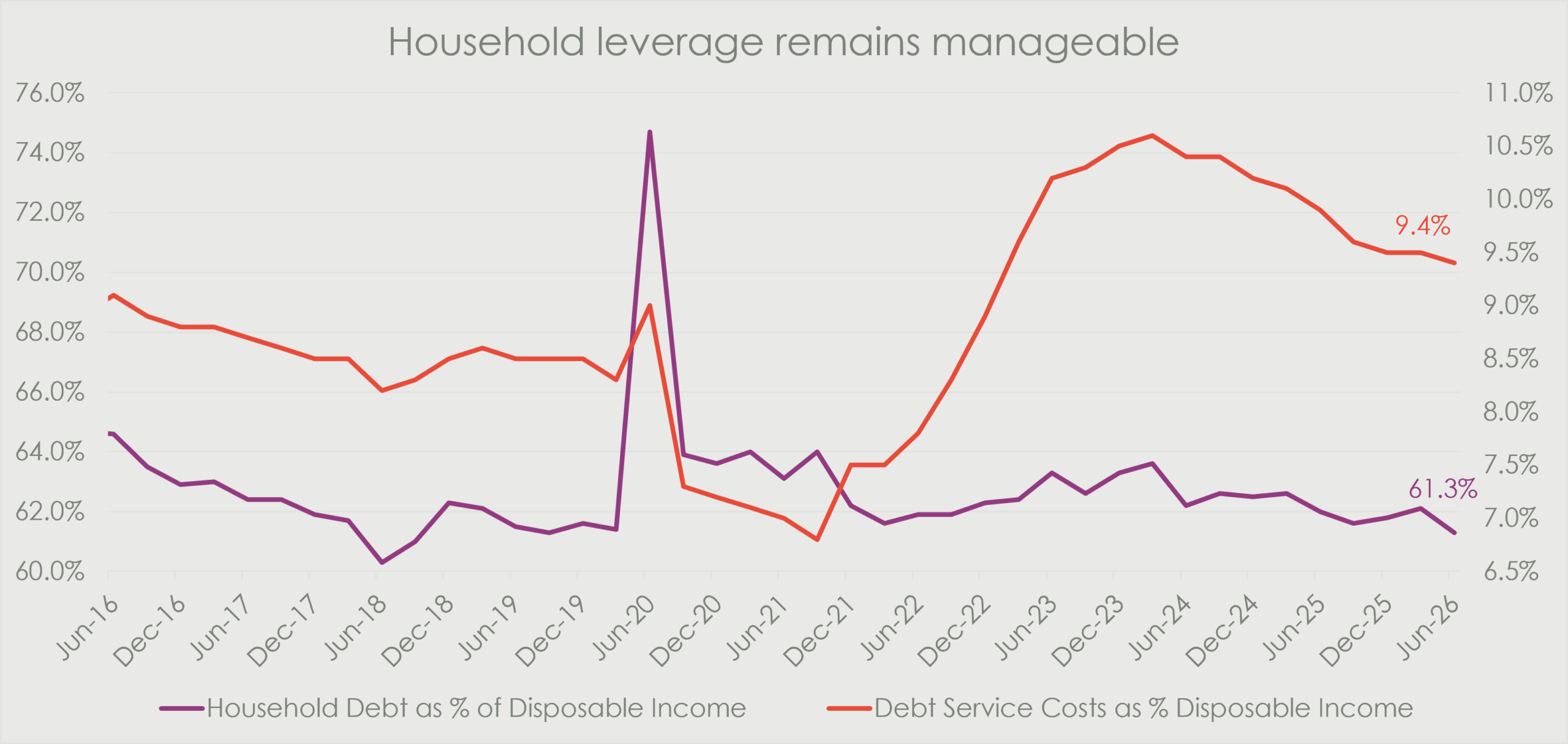
These buffers not only provide protection against renewed pressure from inflation and higher interest rates but also leave some capacity for pent-up demand to be released should conditions improve.
A market for thoughtful stock selection
For consumer-facing equities, this increasingly becomes a stock-selection story. Businesses with recurring or defensive demand, compelling value propositions, disciplined pricing and resilient balance sheets should be better positioned in an environment where consumers are becoming increasingly selective.
Conversely, businesses more dependent on discretionary purchases, aggressive credit expansion or fragile margins face a more demanding backdrop, even where headline valuations appear attractive. Our positioning reflects the environment, where our focus on defensive quality has allowed us to protect client capital in a volatile environment.
Conclusion
Together, stronger cash buffers and manageable leverage help explain why the deterioration in the income environment has resulted in greater spending selectivity rather than a broad contraction in consumption.
The key risk from here is whether inflation pressures broaden further into food and other household necessities, placing additional pressure on disposable incomes and testing these buffers.
Earlier in the year, resilience was supported by an improving macroeconomic environment. Today, it rests increasingly on household discipline, healthier balance sheets and a greater focus on necessity and value.

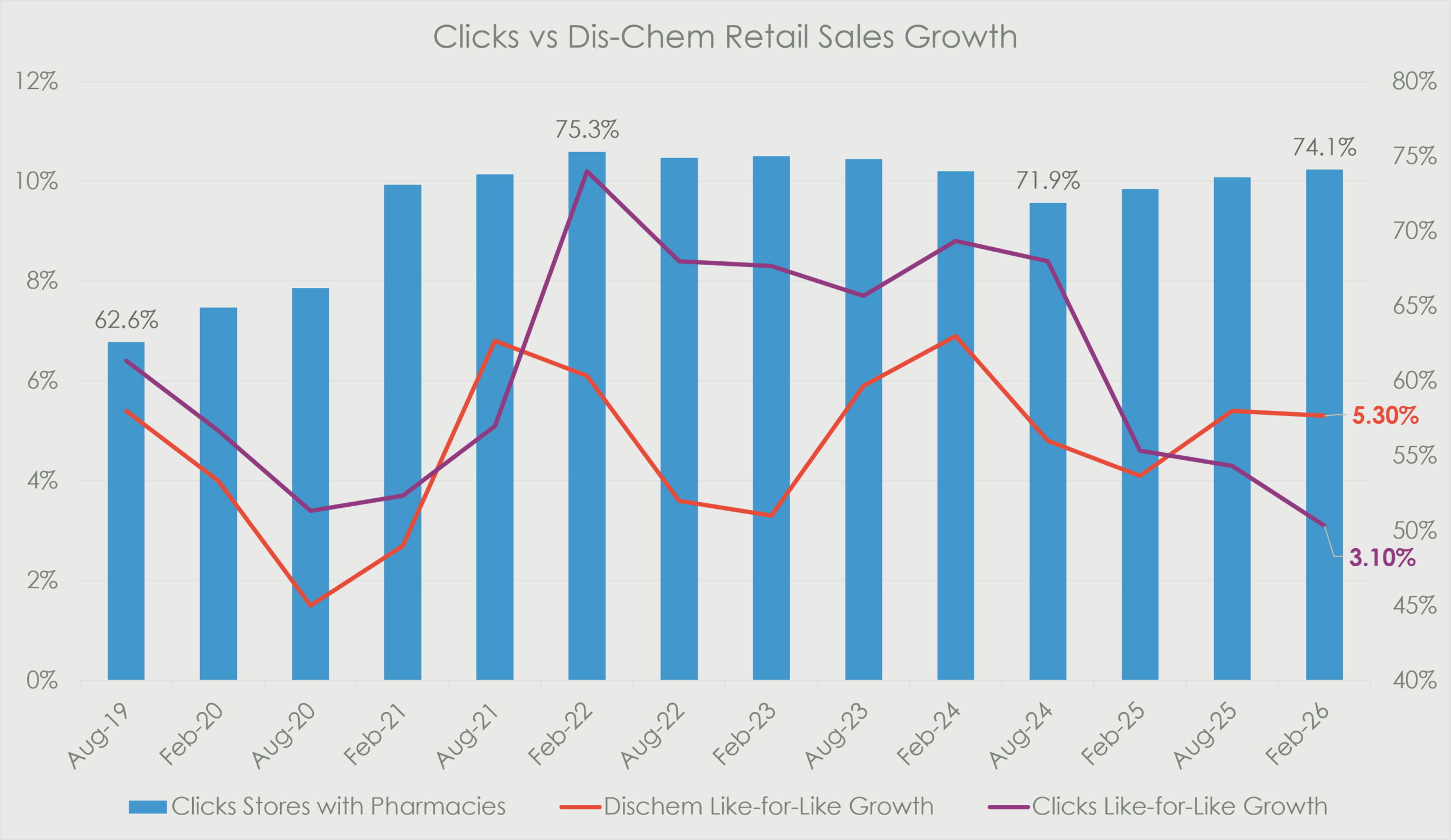
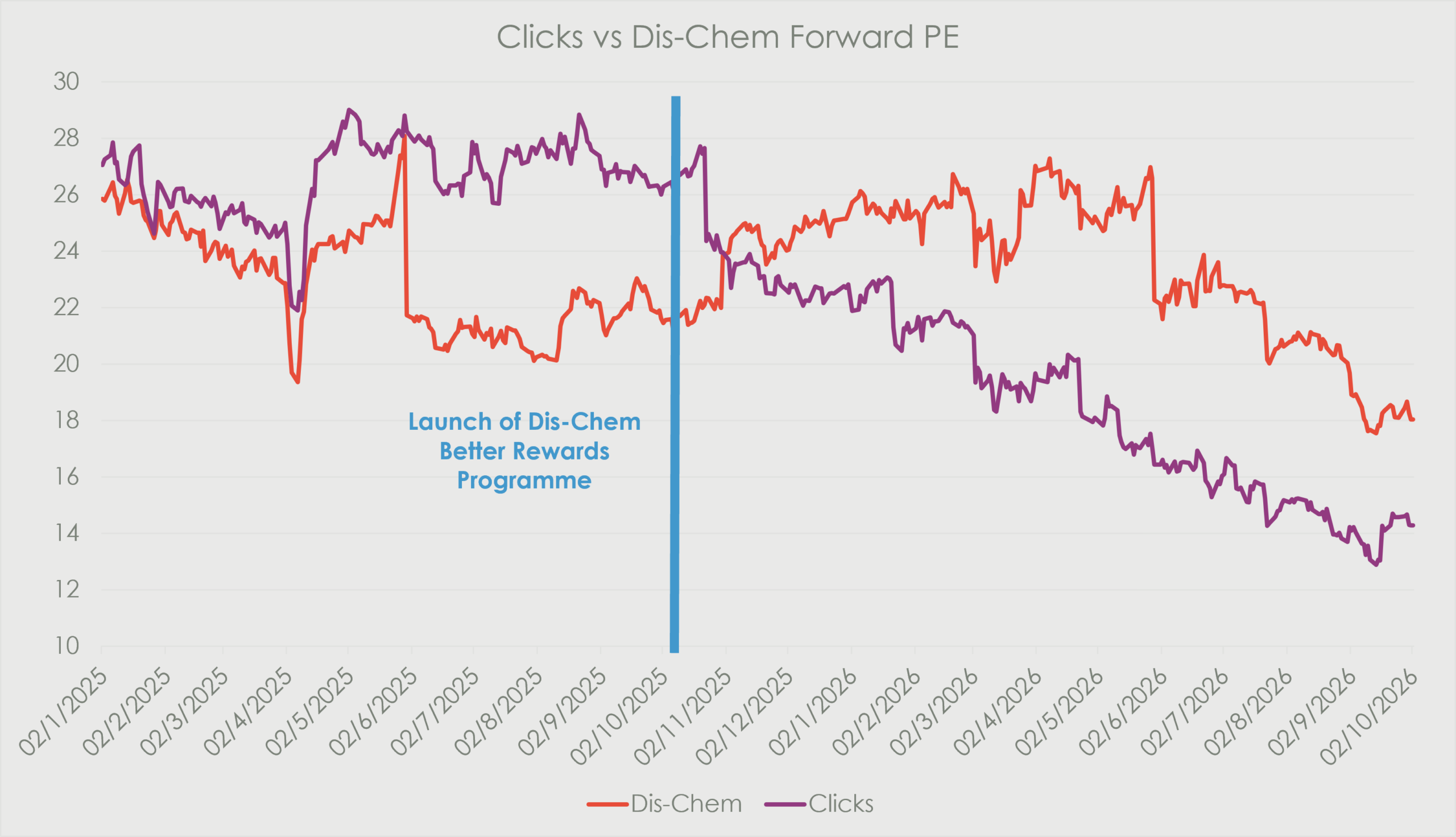
We have maintained our position in Clicks despite the share’s underperformance this year. Competitive pressure in pharmacy has increased, particularly from Dis-Chem and Shoprite, but we believe the market is increasingly pricing this as a structural impairment of Clicks’ business model. Our assessment is more constructive.
What has driven the recent underperformance?
Two factors have weighed on recent organic growth.
-
- First, Dis-Chem introduced a compelling rewards proposition, which has supported stronger sales momentum.
- Second, delays in the issuing of new pharmacy licences constrained the pace at which Clicks could expand its pharmacy footprint, impacting sales growth.
We do not believe either issue permanently undermines Clicks’ competitive position. The group retains important structural advantages: more than 1,000 stores, a large and established customer base, significant private-label participation and substantial purchasing power. These provide management with meaningful levers to improve the customer proposition, negotiate attractive supplier terms and respond to competitors without necessarily sacrificing the economics of the business.
Pharmacy and Beauty to anchor reacceleration
Importantly, the proportion of Clicks stores with pharmacies has started to reaccelerate from its August 2024 low. Pharmacy openings typically support broader store footfall and front shop sales growth, albeit with a lag. Encouragingly, Clicks has also begun to regain pharmacy market share as the rollout has improved.
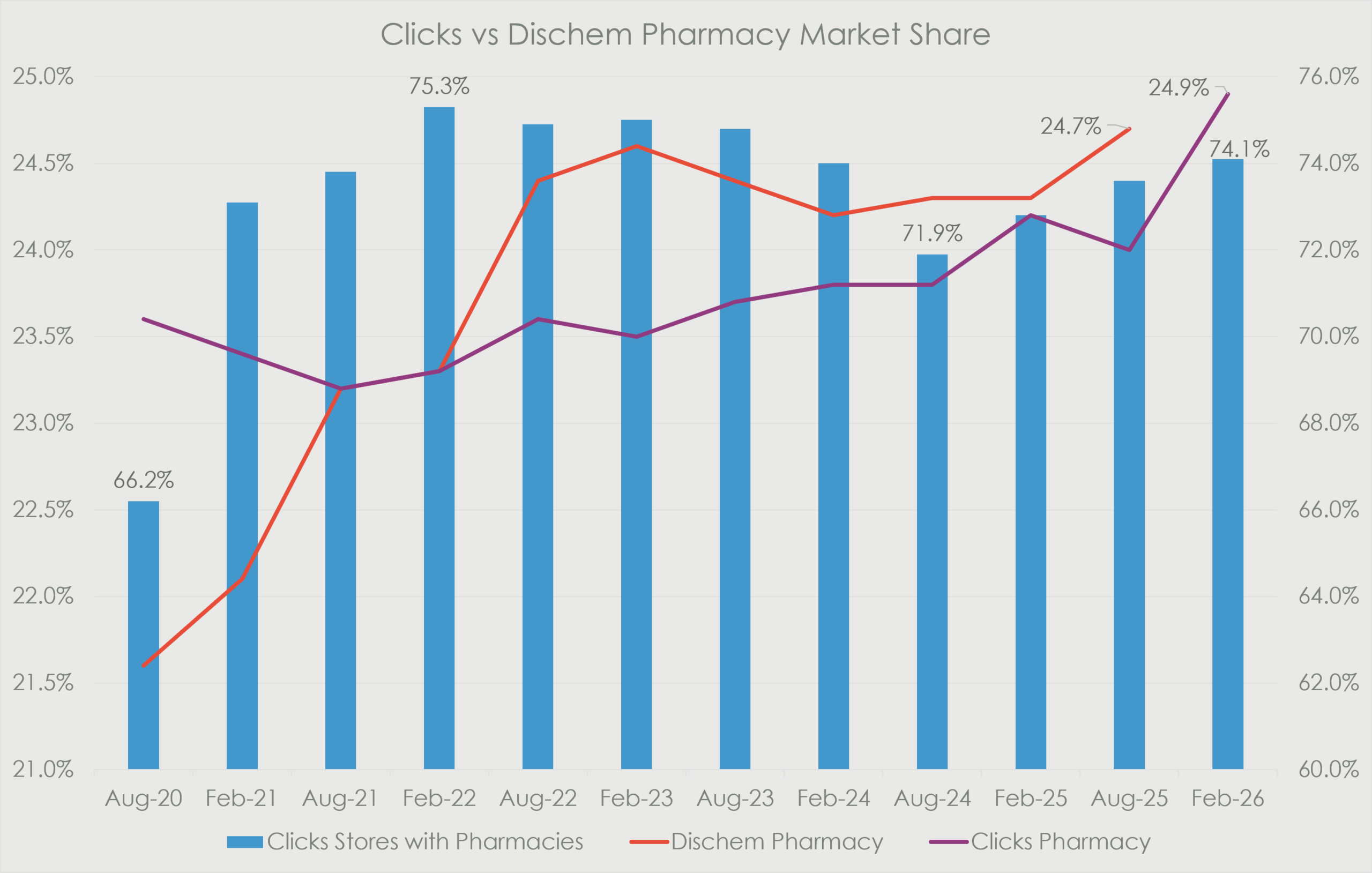
The group is also increasing its exposure to standalone beauty retailer ARC, providing further participation in the attractive specialist beauty category. Together, escalating pharmacy penetration, improvements to the rewards proposition and greater beauty exposure provide credible levers for a reacceleration in revenue growth.
Valuation
The derating in the share has materially lowered expectations. In our view, the current valuation increasingly reflects a scenario in which recent competitive pressures become permanent, while giving limited credit to Clicks’ scale, brand, customer reach and ability to respond operationally. Our investigation suggests that this verdict may be premature.
Conclusion
We are therefore keeping faith with Clicks, not because competitive pressures have disappeared, but because we believe the market has moved too far in extrapolating them. The investment case now rests on management converting its existing advantages into stabilising market share, stronger footfall and renewed earnings momentum. With expectations significantly reset, we believe the risk-reward remains attractive.
With a month to go before what is set to be a consequential Local Government Election, we highlight polling trends at the national level and among some key major metros.
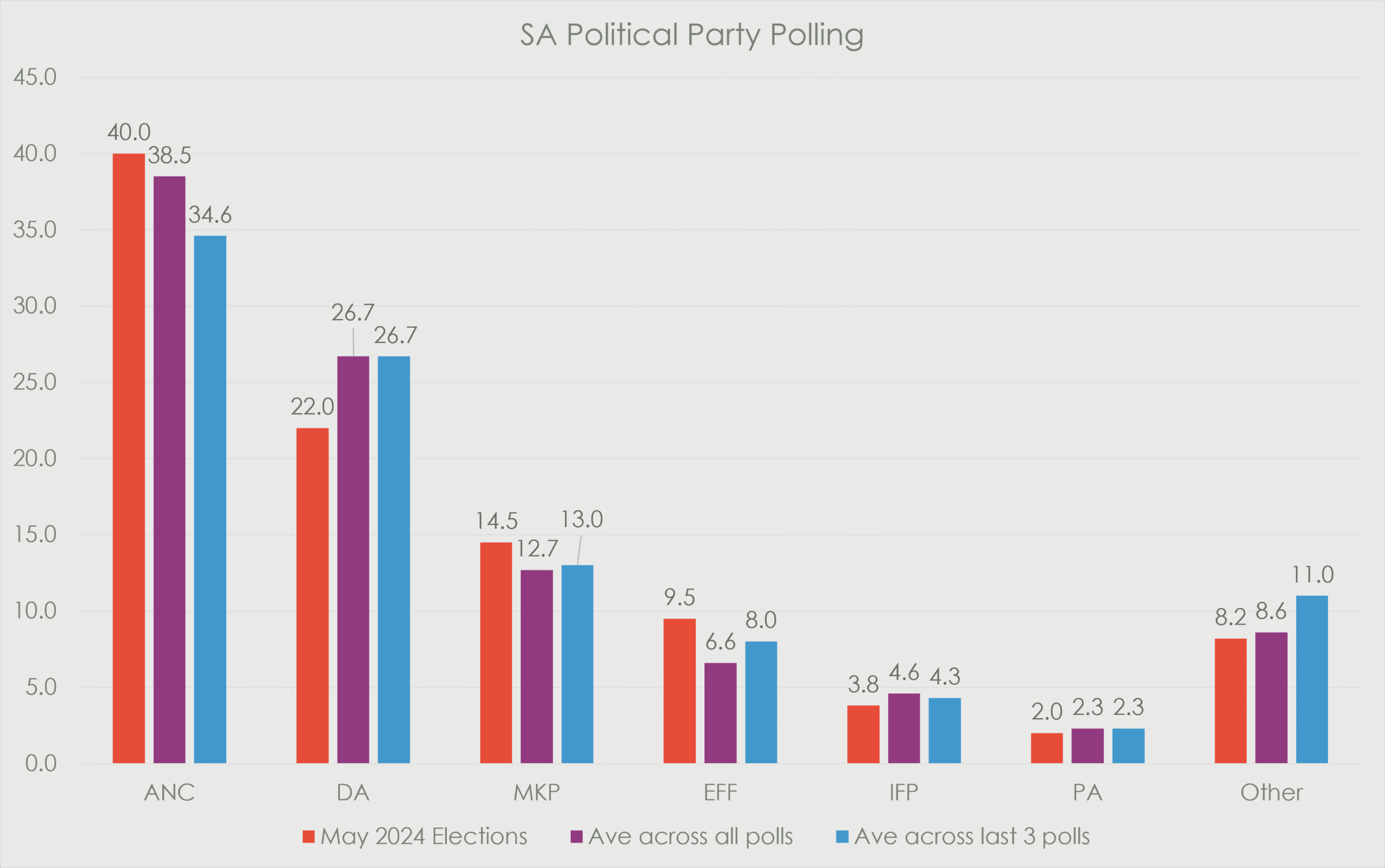
The ANC continues to slide, even relative to the historic lows achieved in the 2024 national election. They, together with MKP and the EFF have given up ground in the two years since. The DA, and to a lesser extent IFP and PA have gained the lost ground, positioning them in good stead for the upcoming election.
- In eThekwini, MKP continue to poll well, giving themselves an outsized chance of governing outright. An ANC/DA/IFP coalition to mimic the provincial status quo, remains the most market-friendly outcome.
- In Tshwane and Ekurhuleni, polling suggests that the DA is well placed to force themselves into contention for coalition formation. They are currently not involved in the government of either metro.
- The Johannesburg race remains key. While Helen Zille’s campaign gains a head of steam, the ANC are yet to announce a candidate.
Coalition politics will no doubt play an important role in the sustainability of any outcome. Investors would cheer an all-encompassing ANC/DA deal across all applicable major metros. We note that due to the constitutionally entrenched independence of municipalities, this will not be a straightforward undertaking, but remain positive on the achievement of a broadly favourable outcome.

Glencore offers undervalued exposure to a multi-year copper production growth story. We believe the market is not fully pricing the earnings and rerating potential from higher copper volumes in a tightening physical market. Near-term support from energy exposure and the marketing business strengthens cash generation while the copper growth thesis develops.
Undervalued Copper Growth
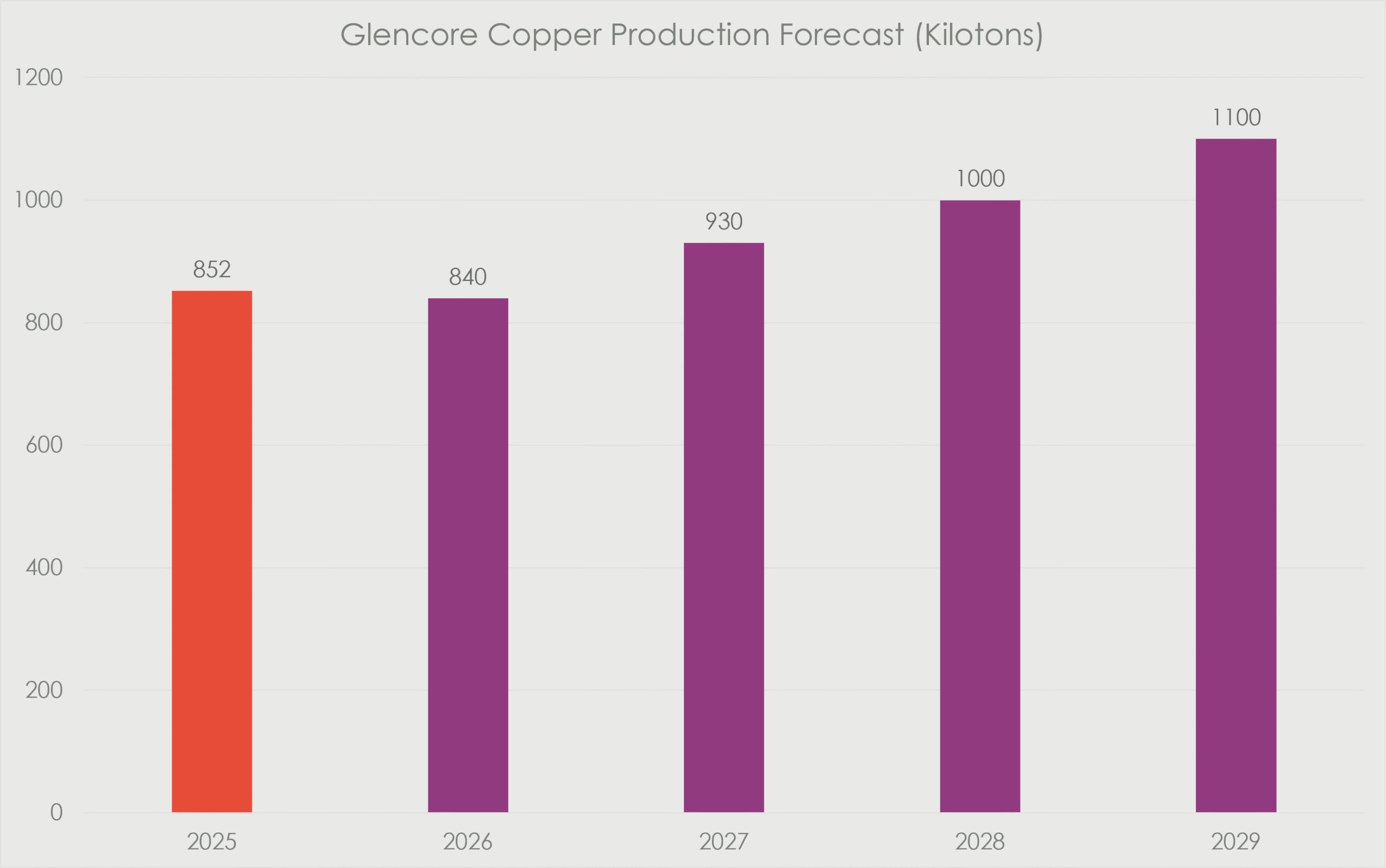
Glencore is positioned to deliver meaningful copper production growth over the coming years, with management targeting average annual growth of approximately 6.5% through 2029. This additional production is expected to enter a progressively tighter global copper market as electrification, grid investment and rising power demand support a structural supply deficit. We believe the market is not assigning sufficient value to the scale, duration or earnings impact of this growth.
Near-Term Earnings Support
Glencore’s energy exposure and marketing business provide useful near-term support to the core copper thesis. Disruption in global energy markets has encouraged substitution towards thermal coal, while elevated price volatility and changing commodity trade flows continue to create attractive opportunities for the company’s sector-leading marketing platform.
Earnings Momentum is Building
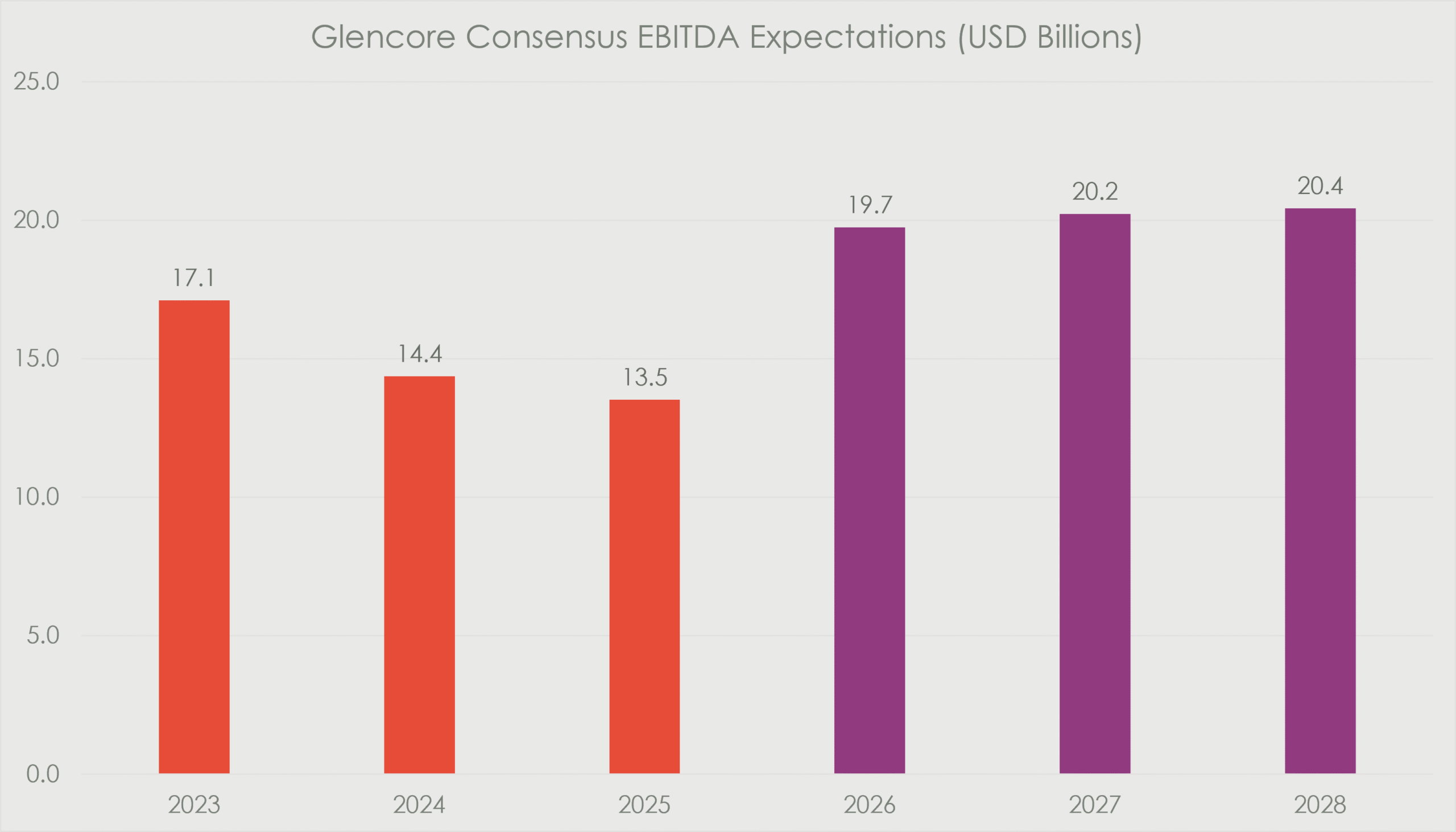
The combination of stronger commodity fundamentals, higher volatility and Glencore’s improving production outlook is translating into a meaningful uplift in earnings expectations.
Consensus expects Group EBITDA to increase by more than 40% in 2026. The improvement was already evident in the first-half results, where EBITDA increased 86% year-on-year.
Valuation and Rerating Potential
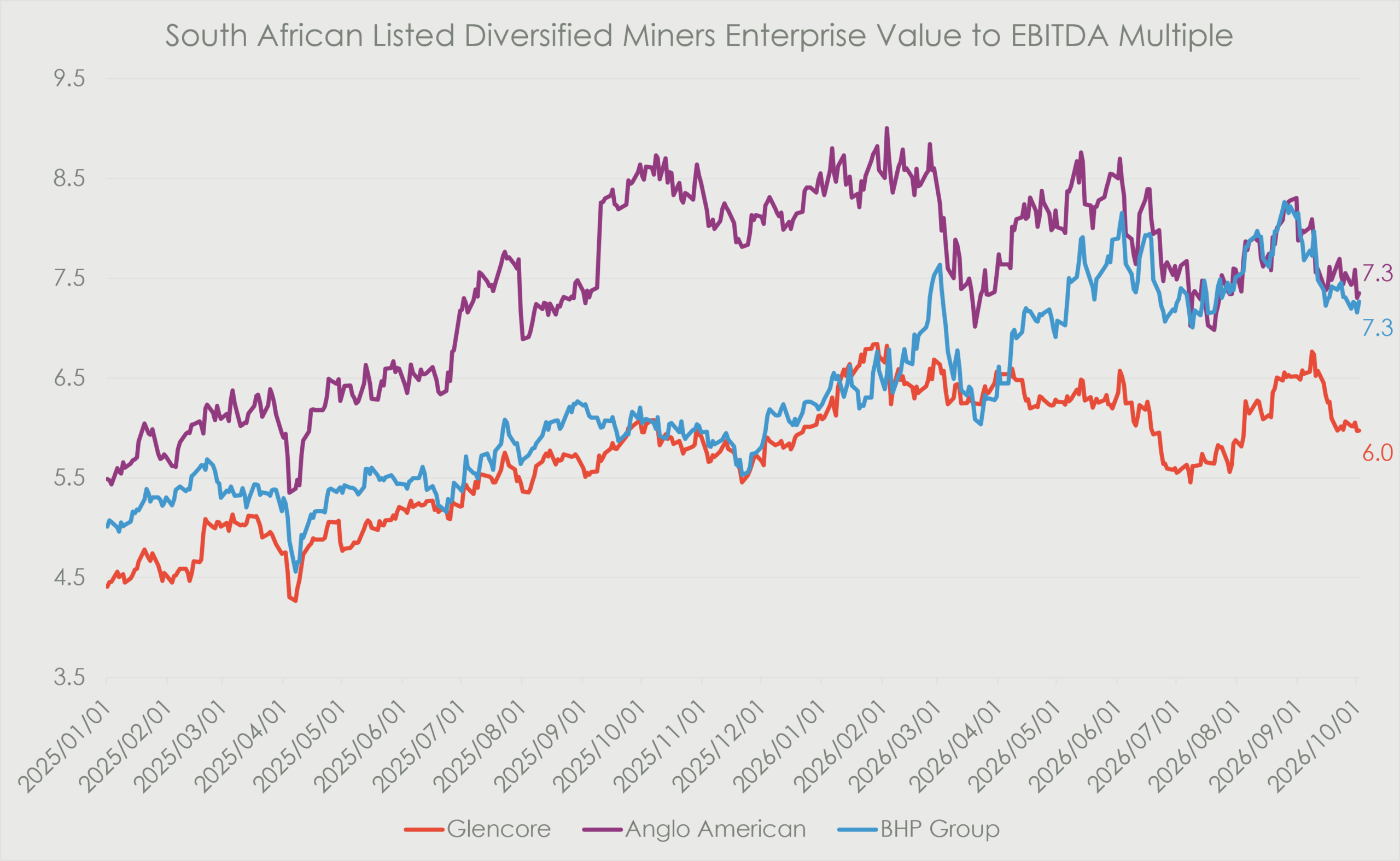
Despite the improving earnings outlook, we believe Glencore’s valuation continues to understate the strength of its prospects.
Since the beginning of 2025, copper-exposed miners have rerated as investors increasingly recognise the improving fundamentals of the physical market. We believe Glencore has scope to close some of this valuation gap as copper becomes an increasingly important contributor to Group earnings.
Conclusion: Multiple Ways to win
Our investment case rests primarily on Glencore’s undervalued copper growth. Rising production into a structurally tighter market should support earnings growth and make copper an increasingly important contributor to Group value. Energy and marketing provide near-term earnings resilience, while the current discount to copper-exposed peers creates scope for a rerating as delivery improves and the copper contribution becomes more visible. This combination underpins our positive view on the share.